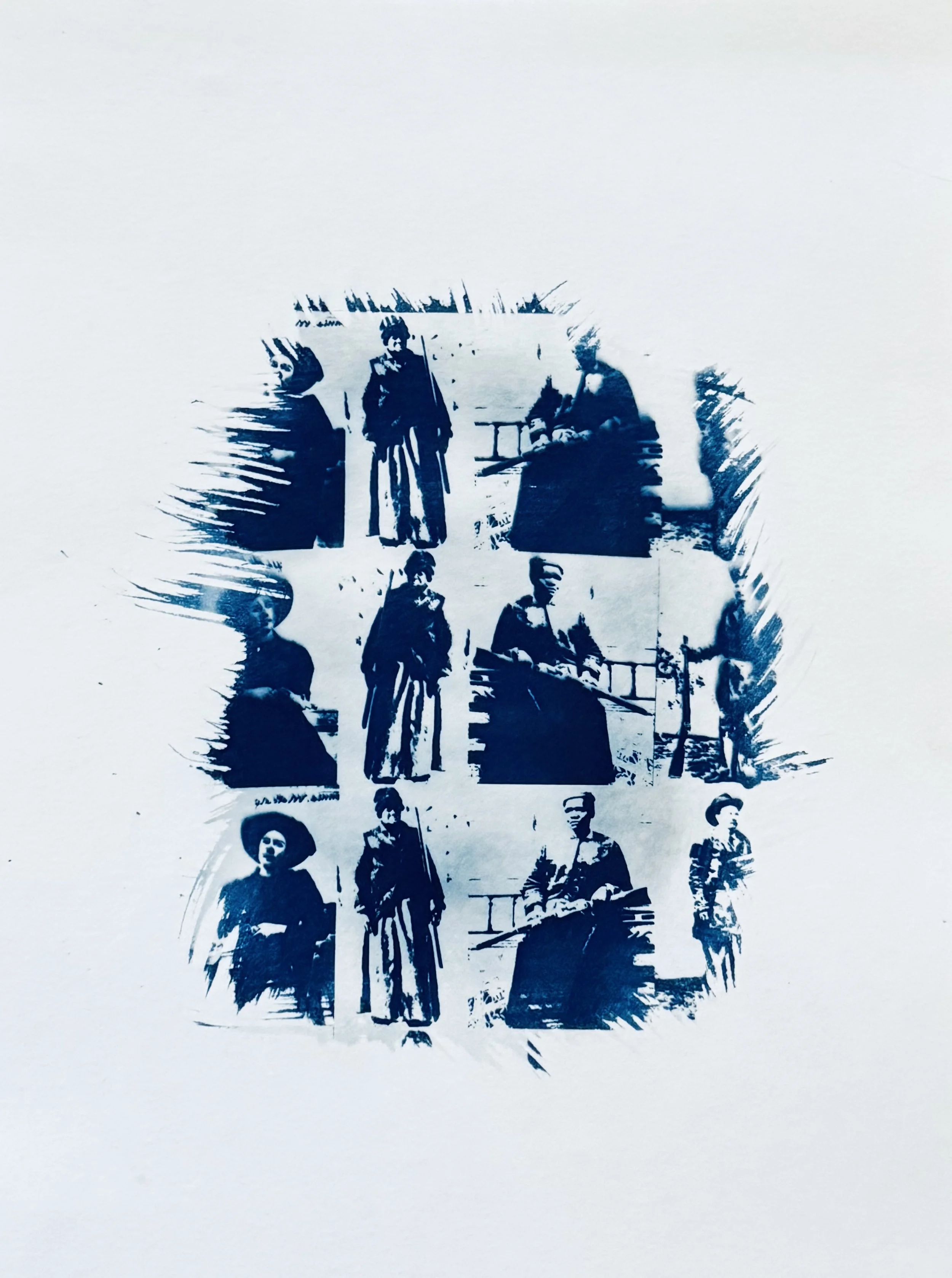
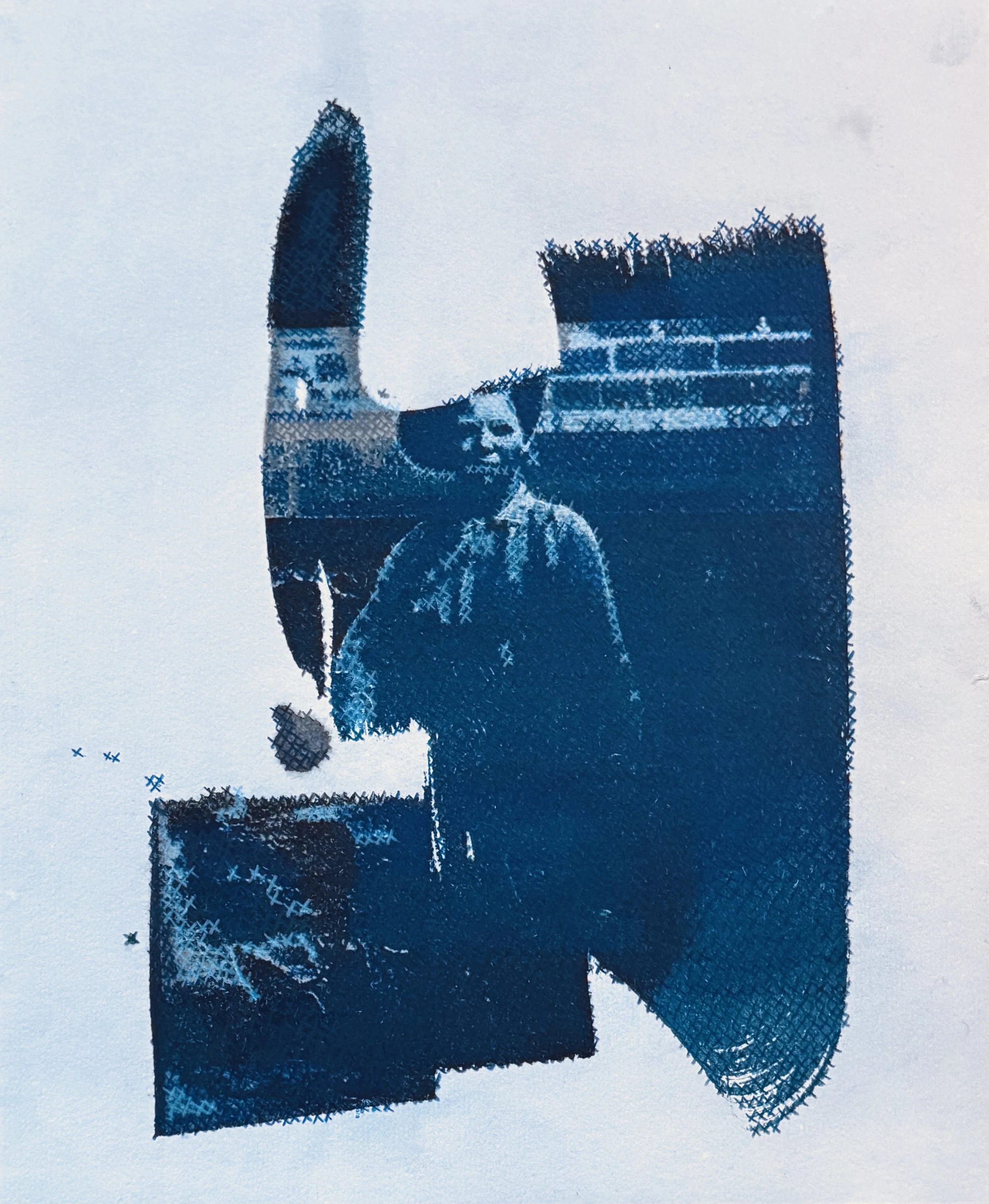
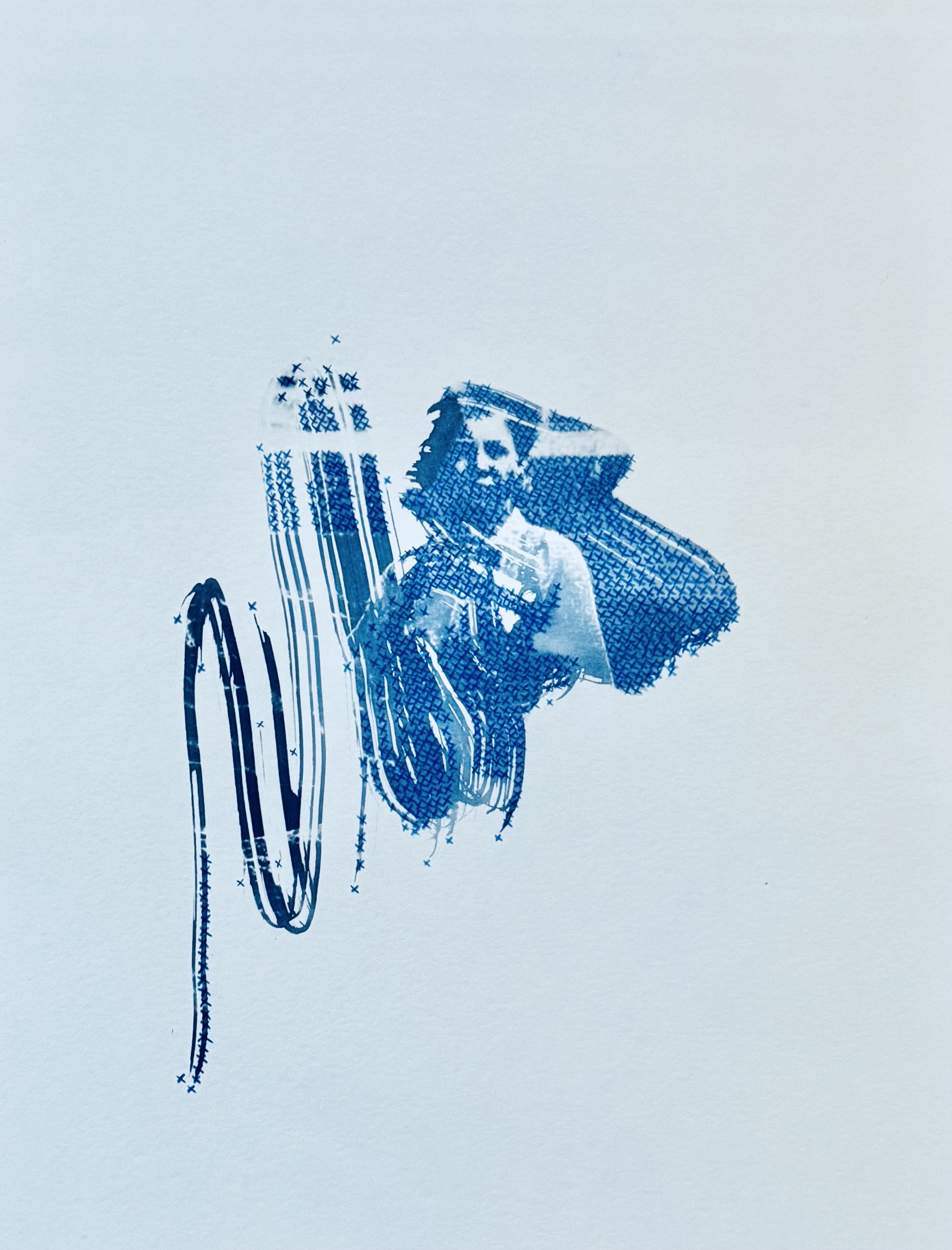
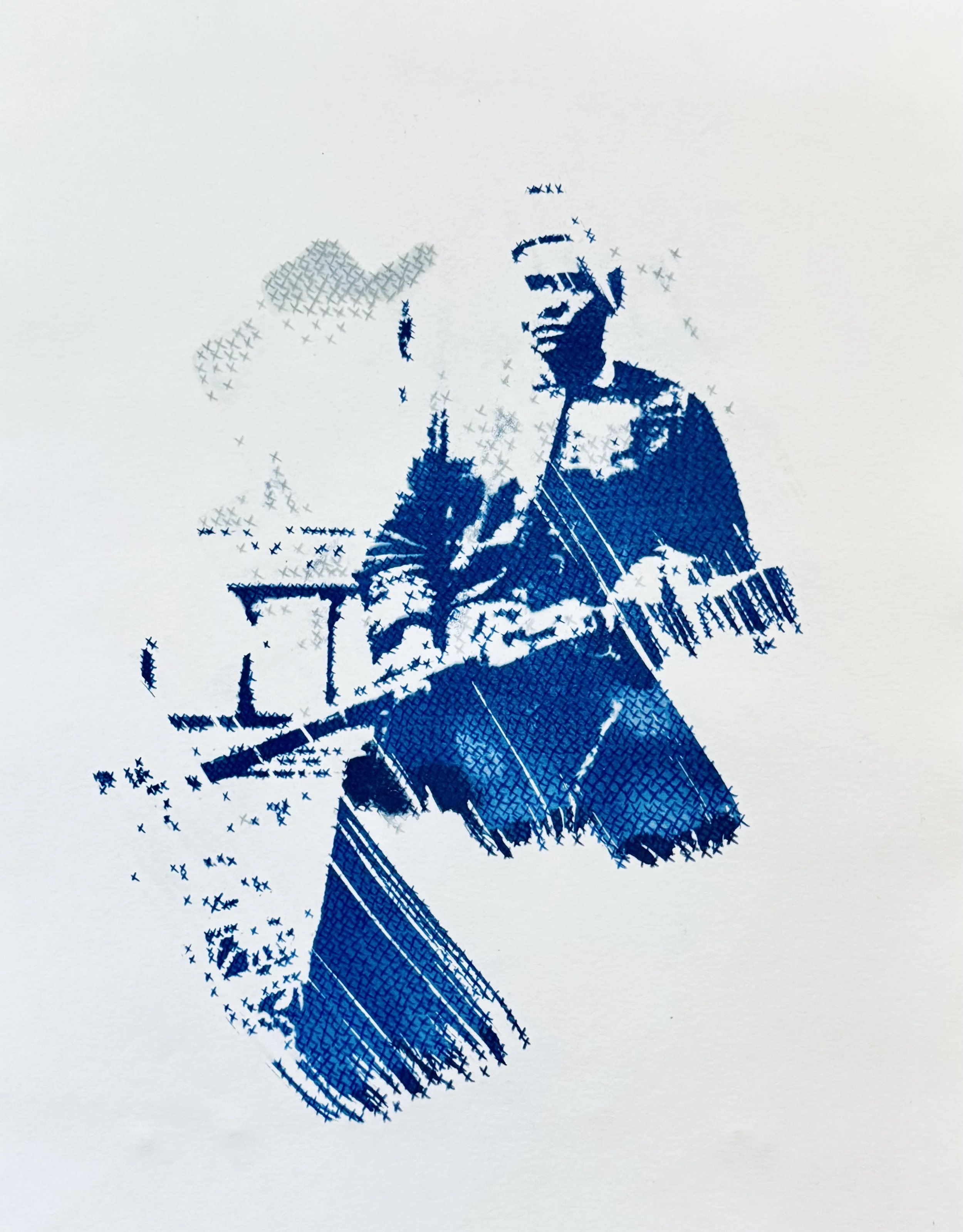
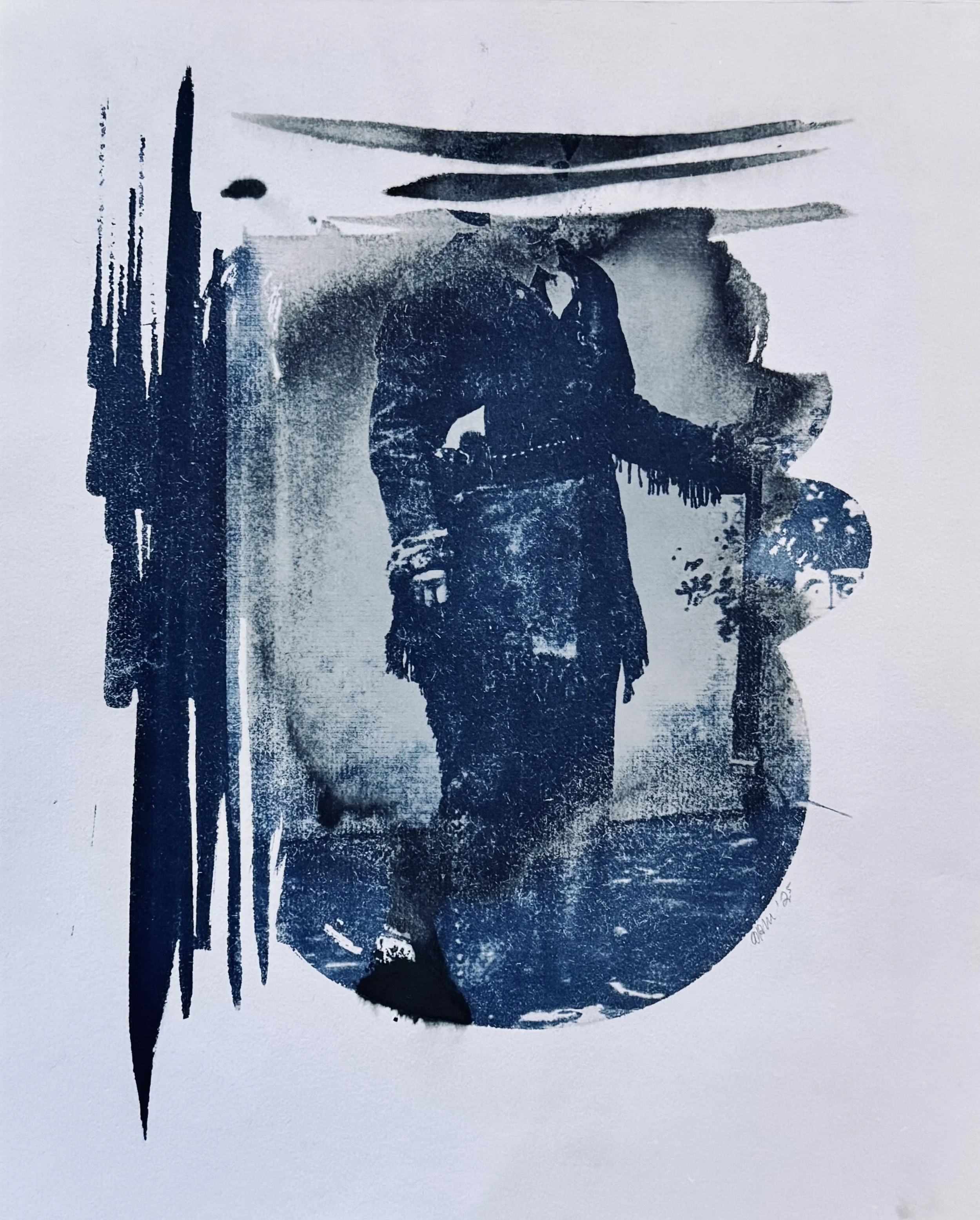
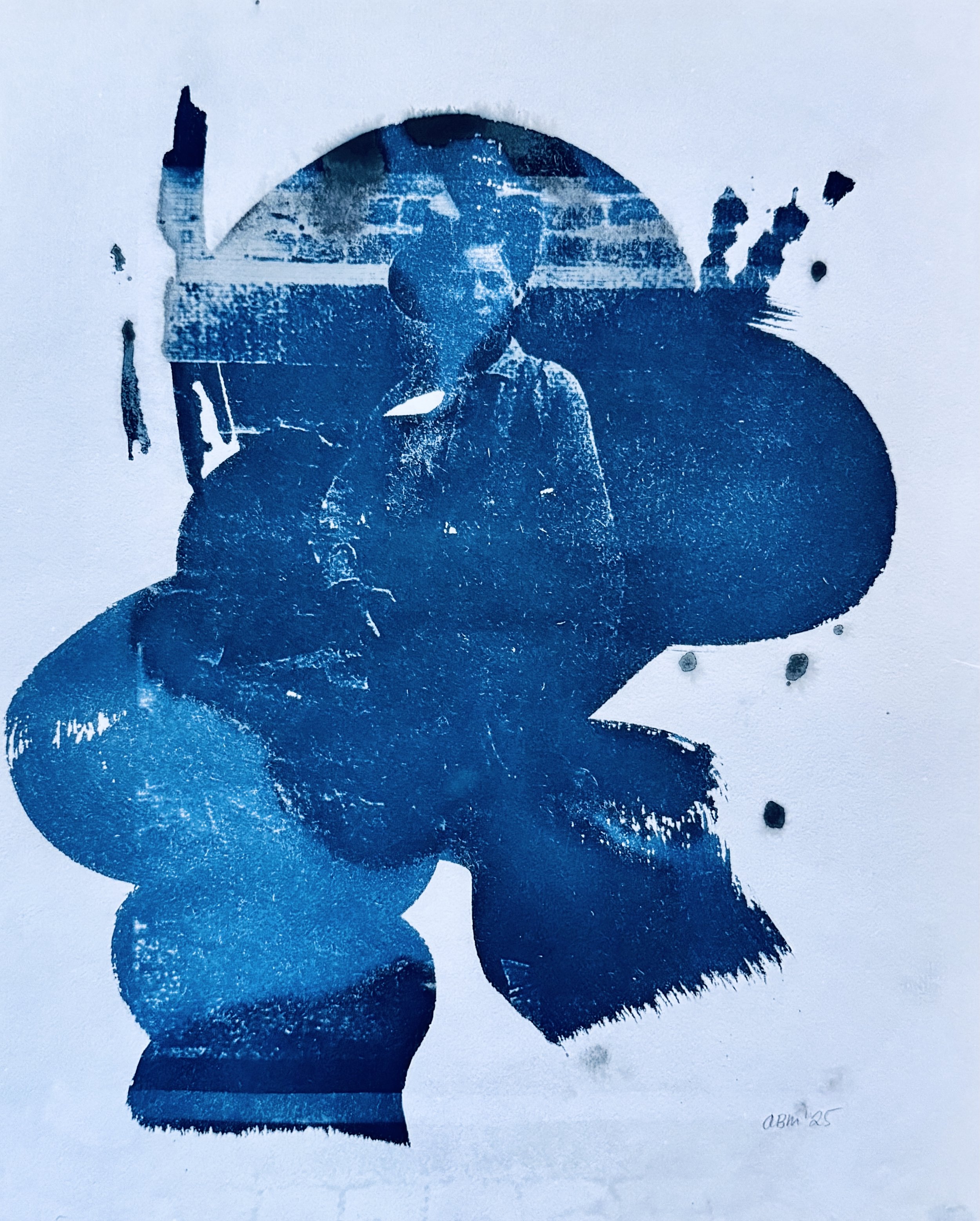
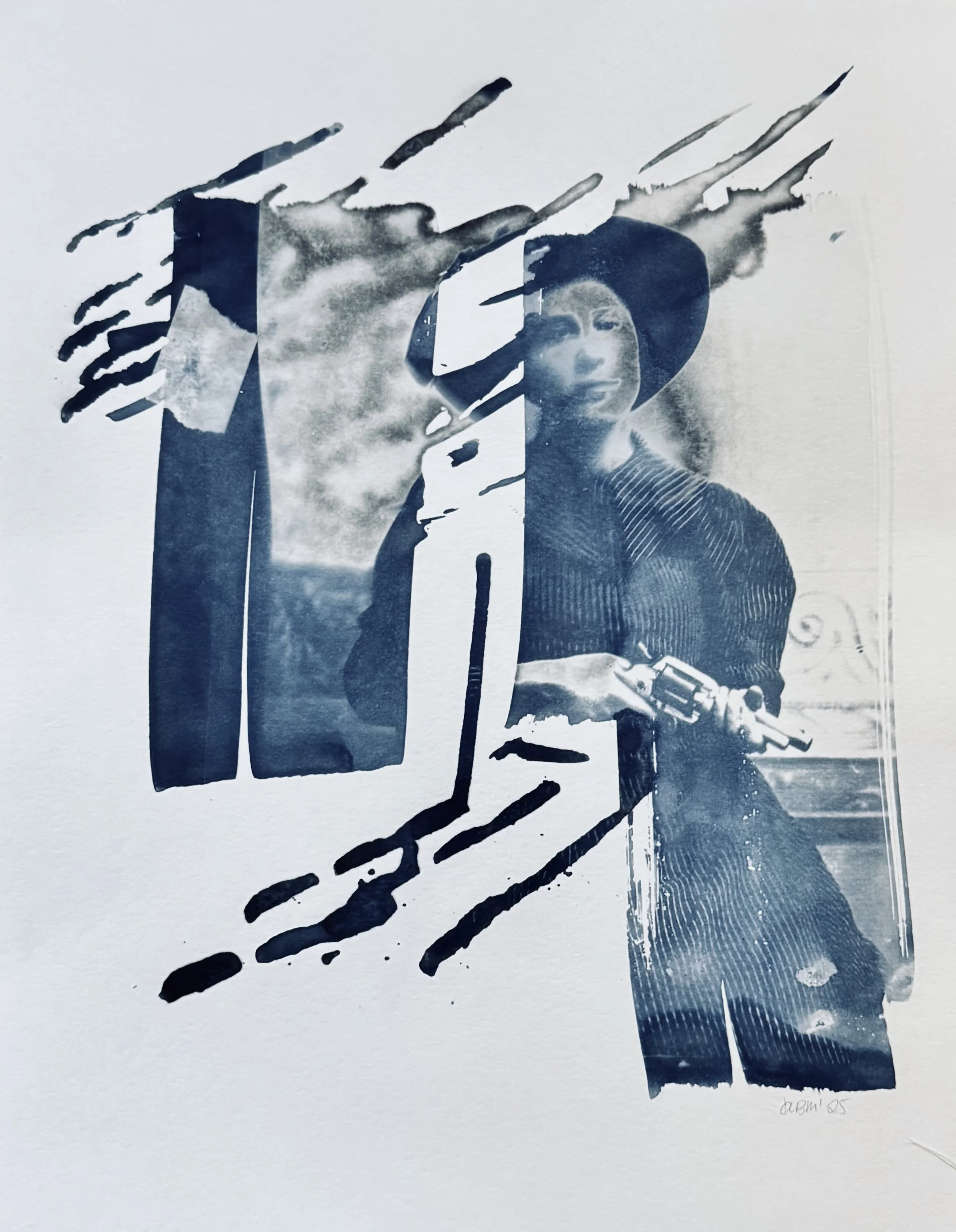
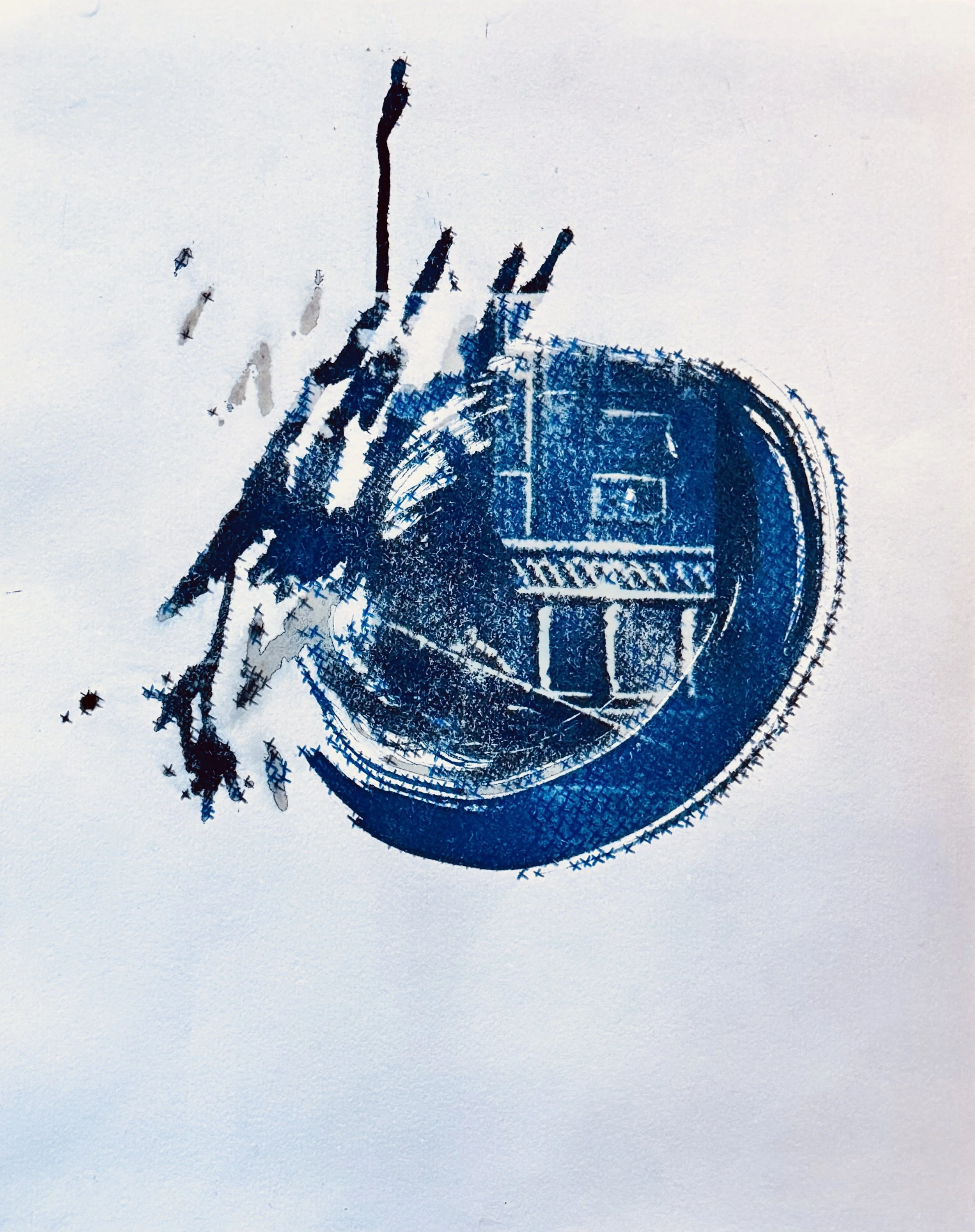
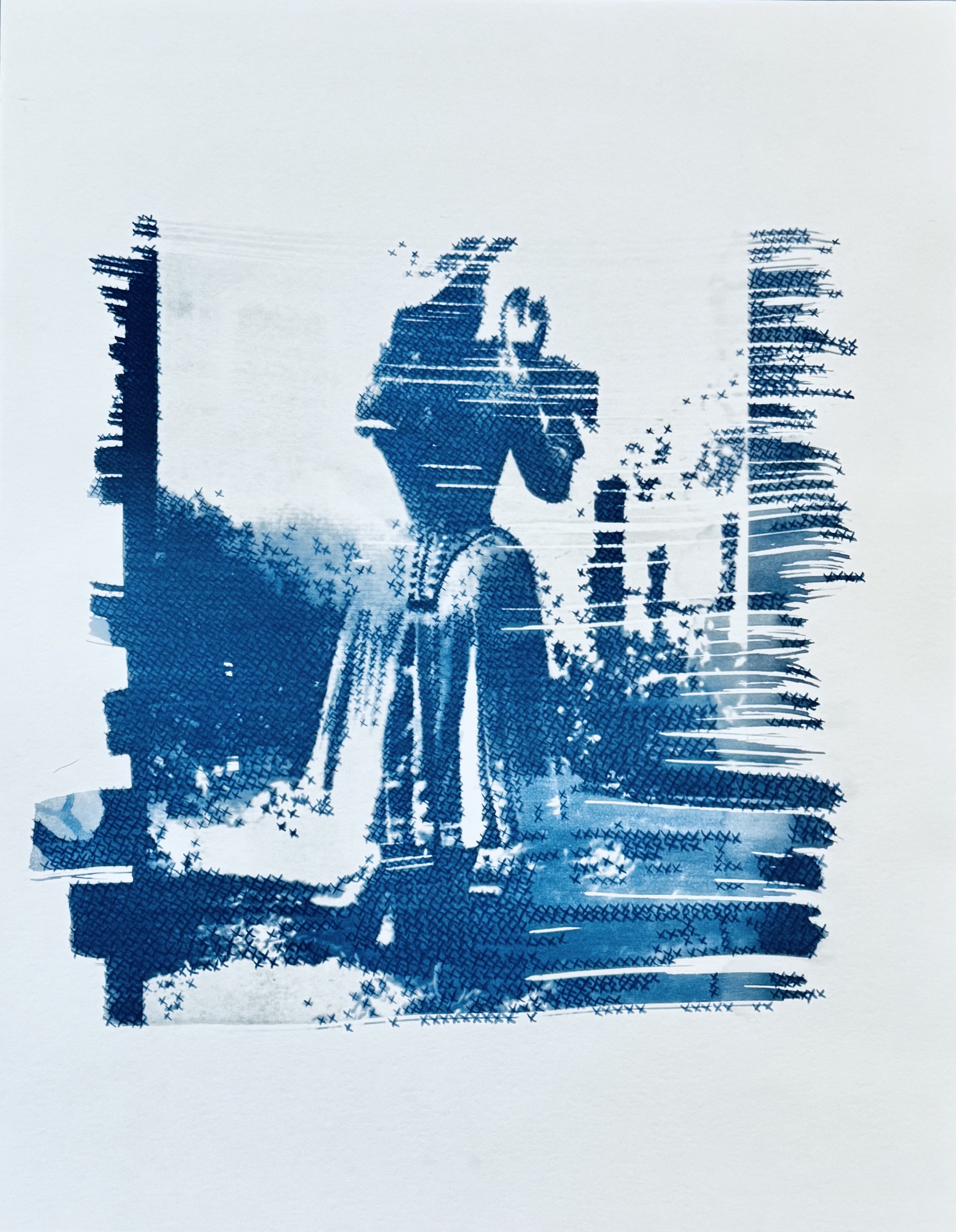
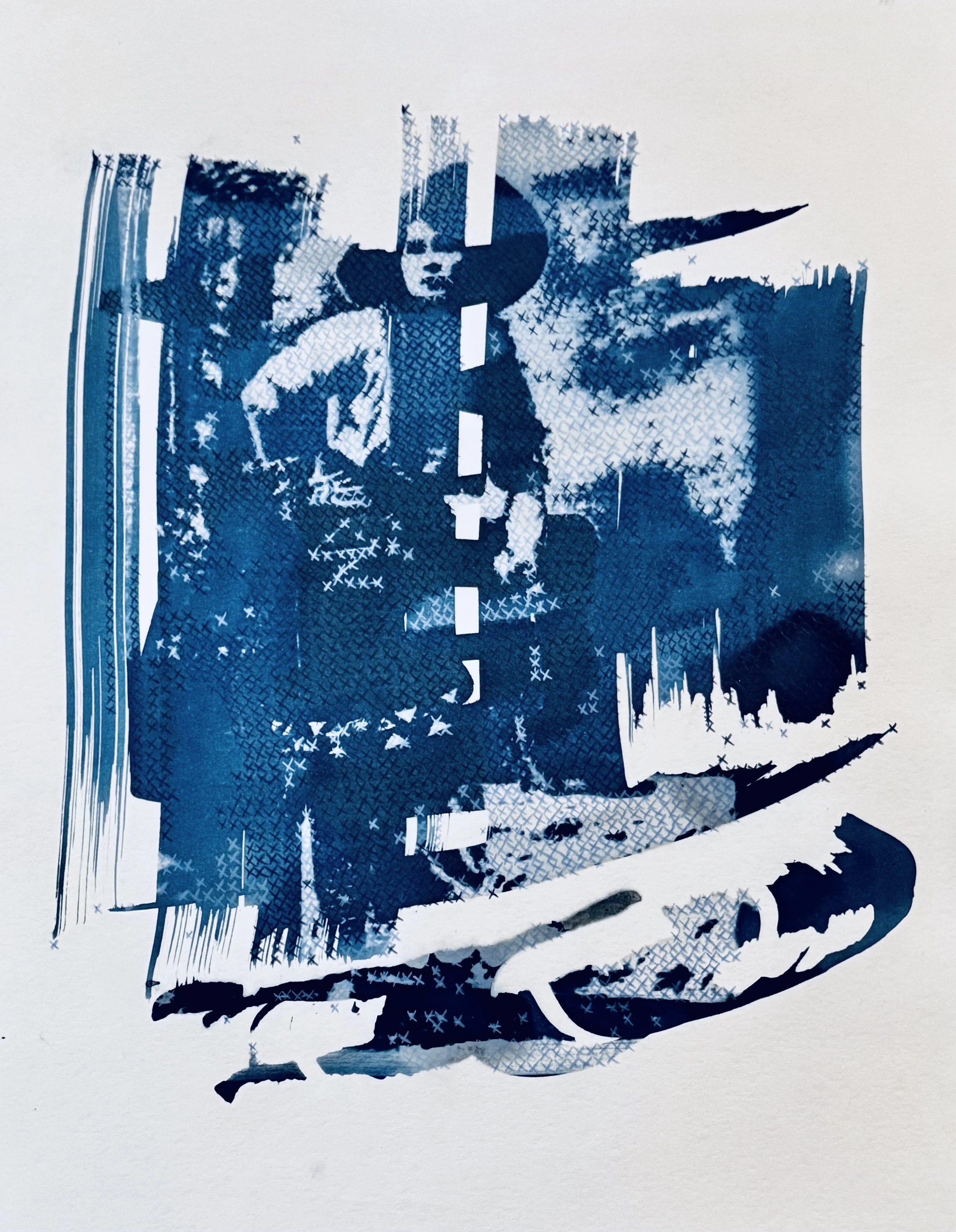
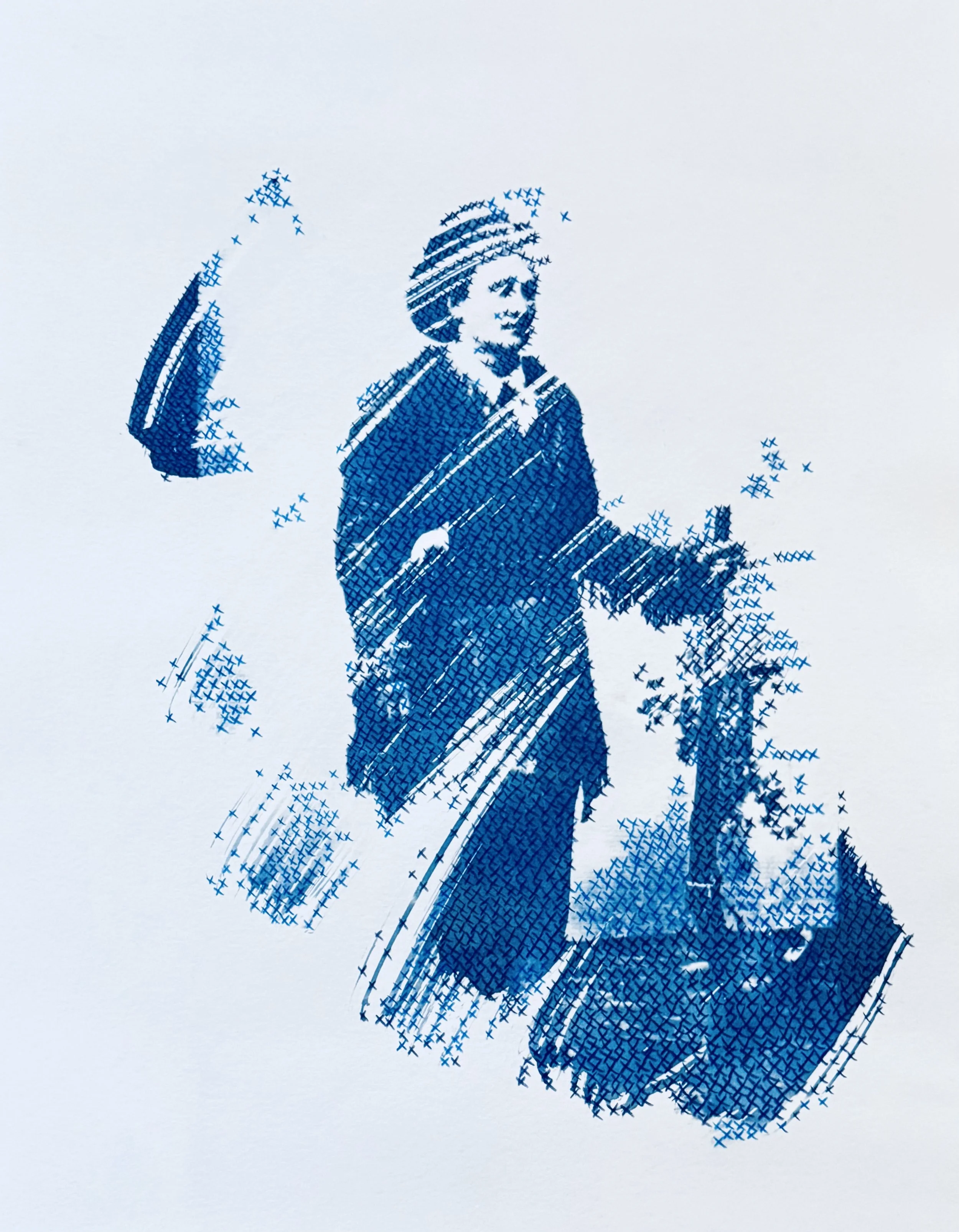
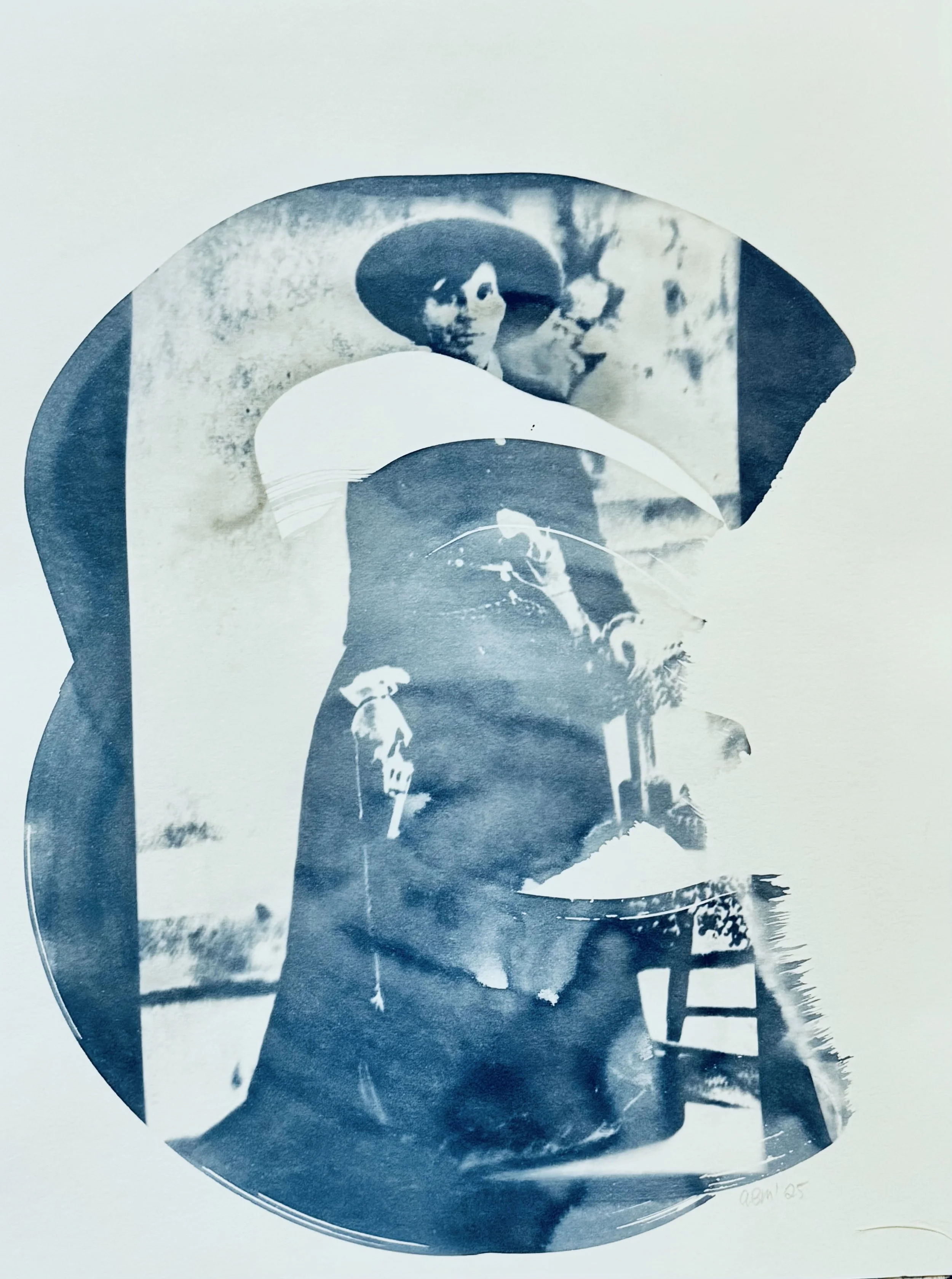
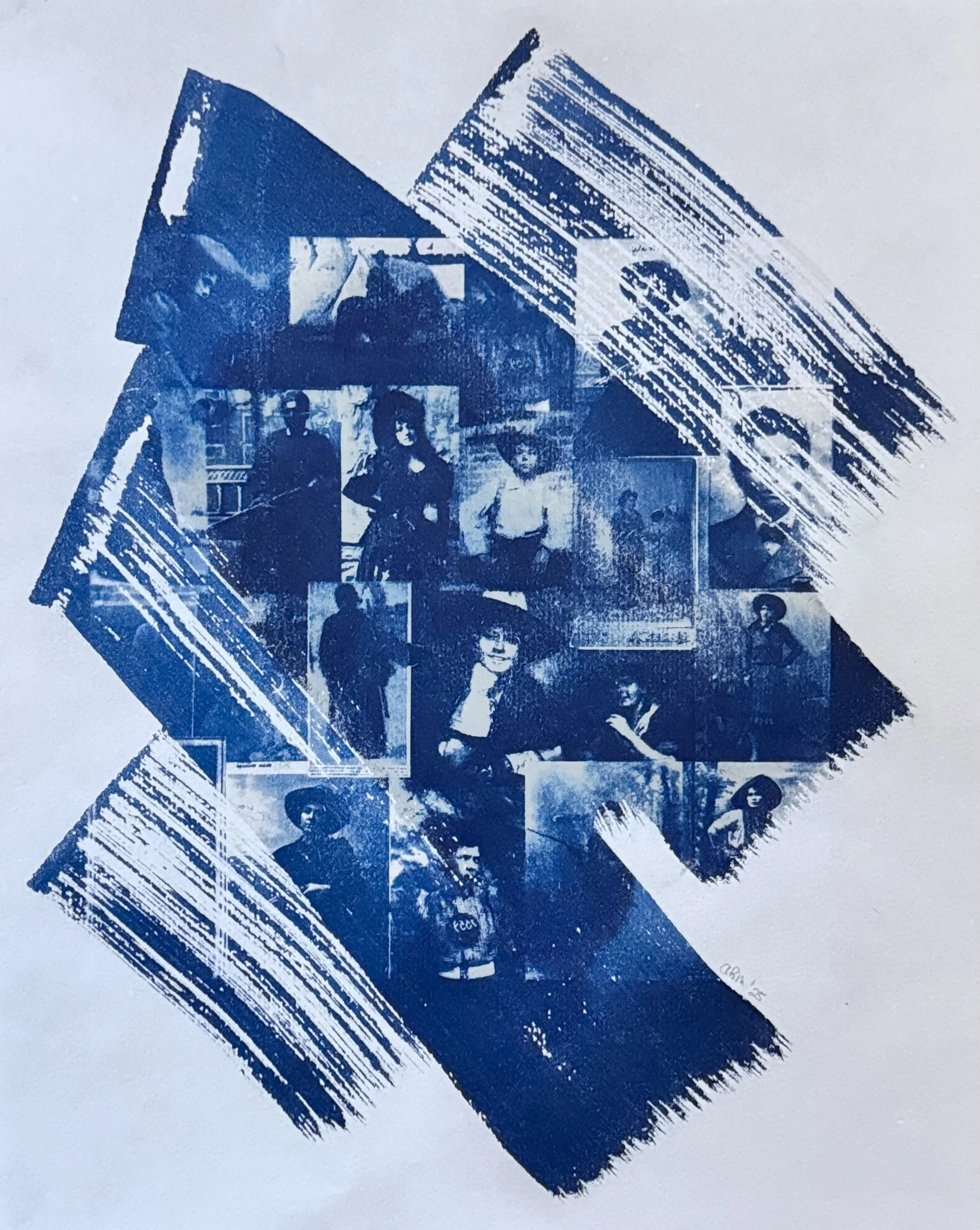
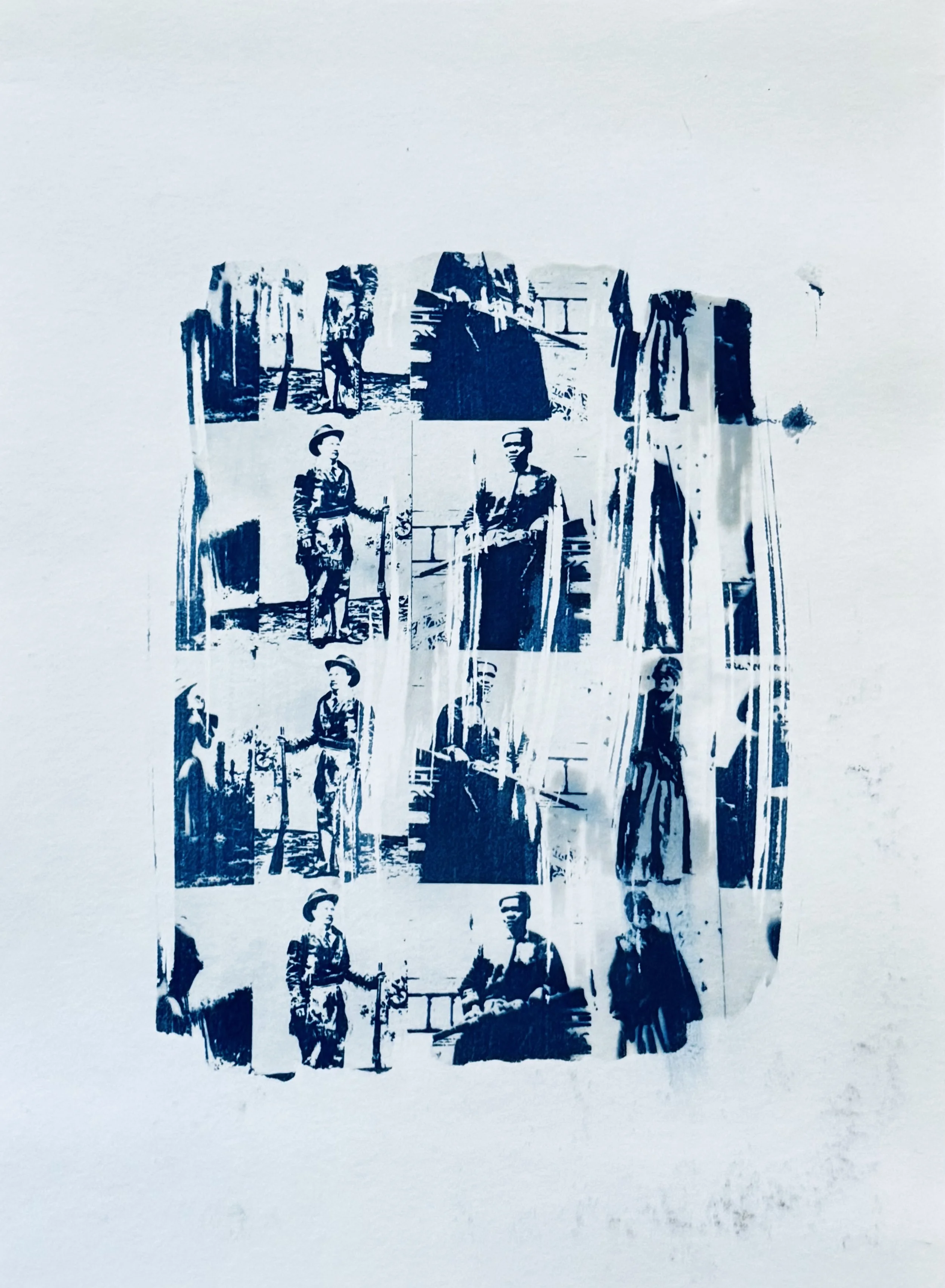
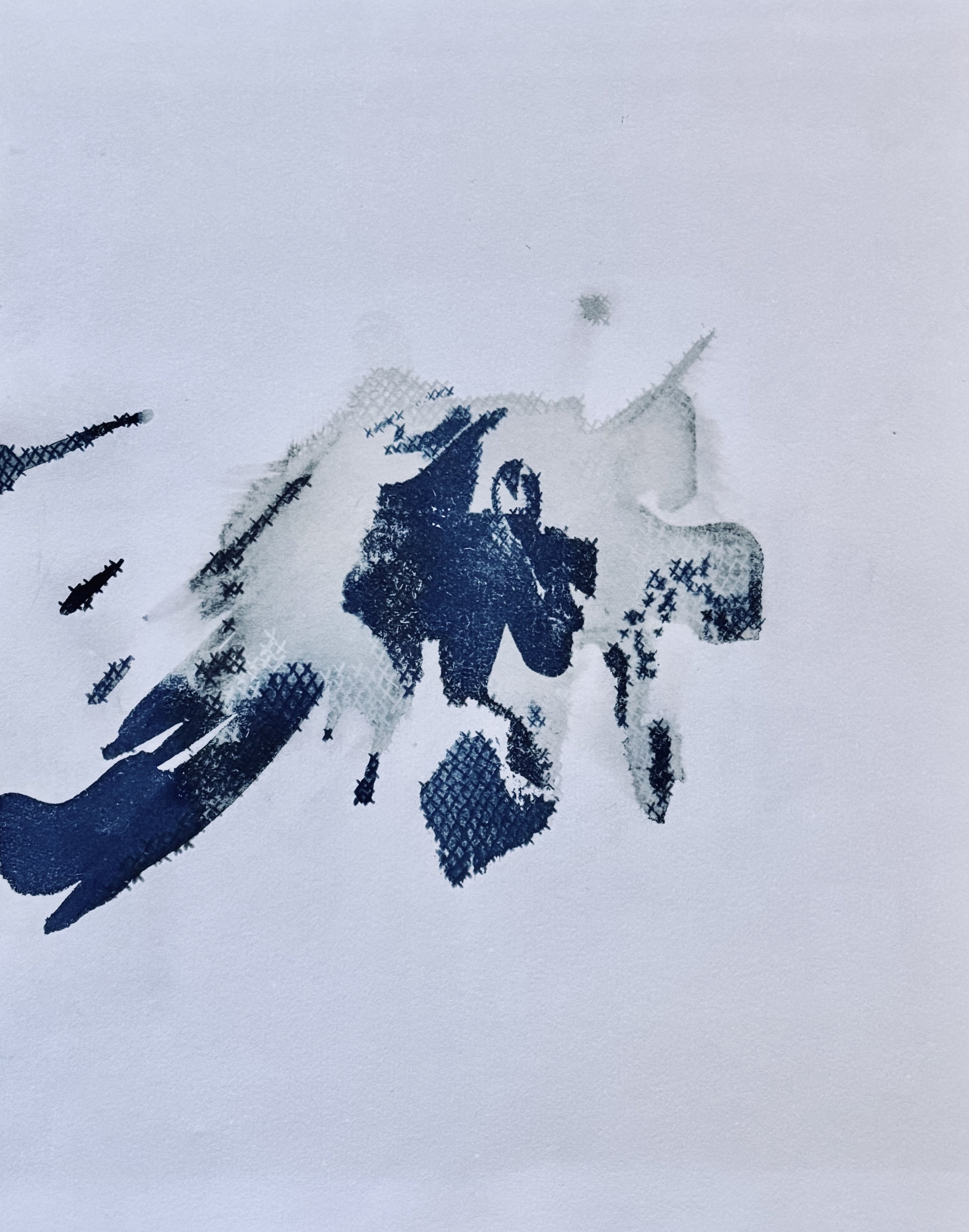
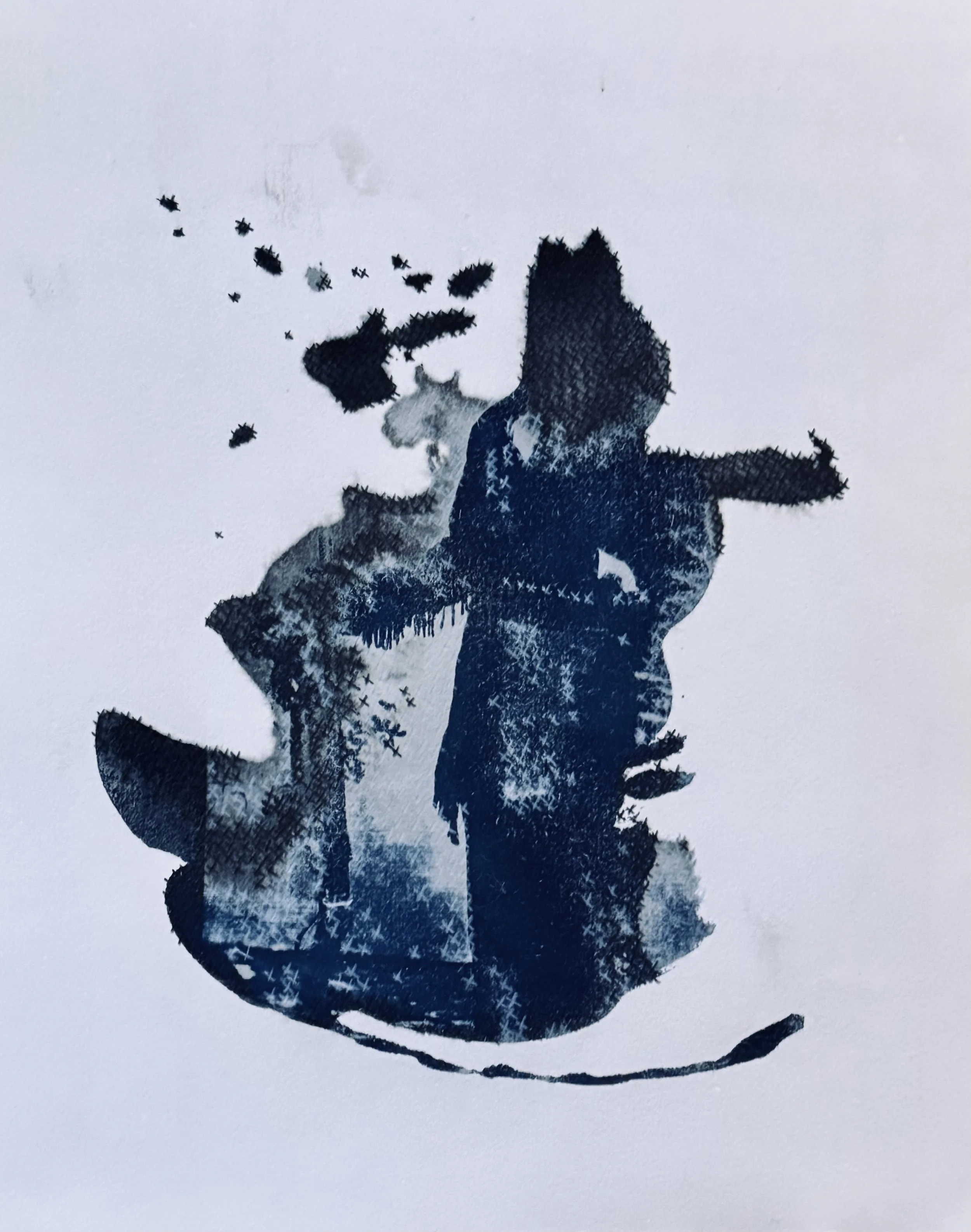
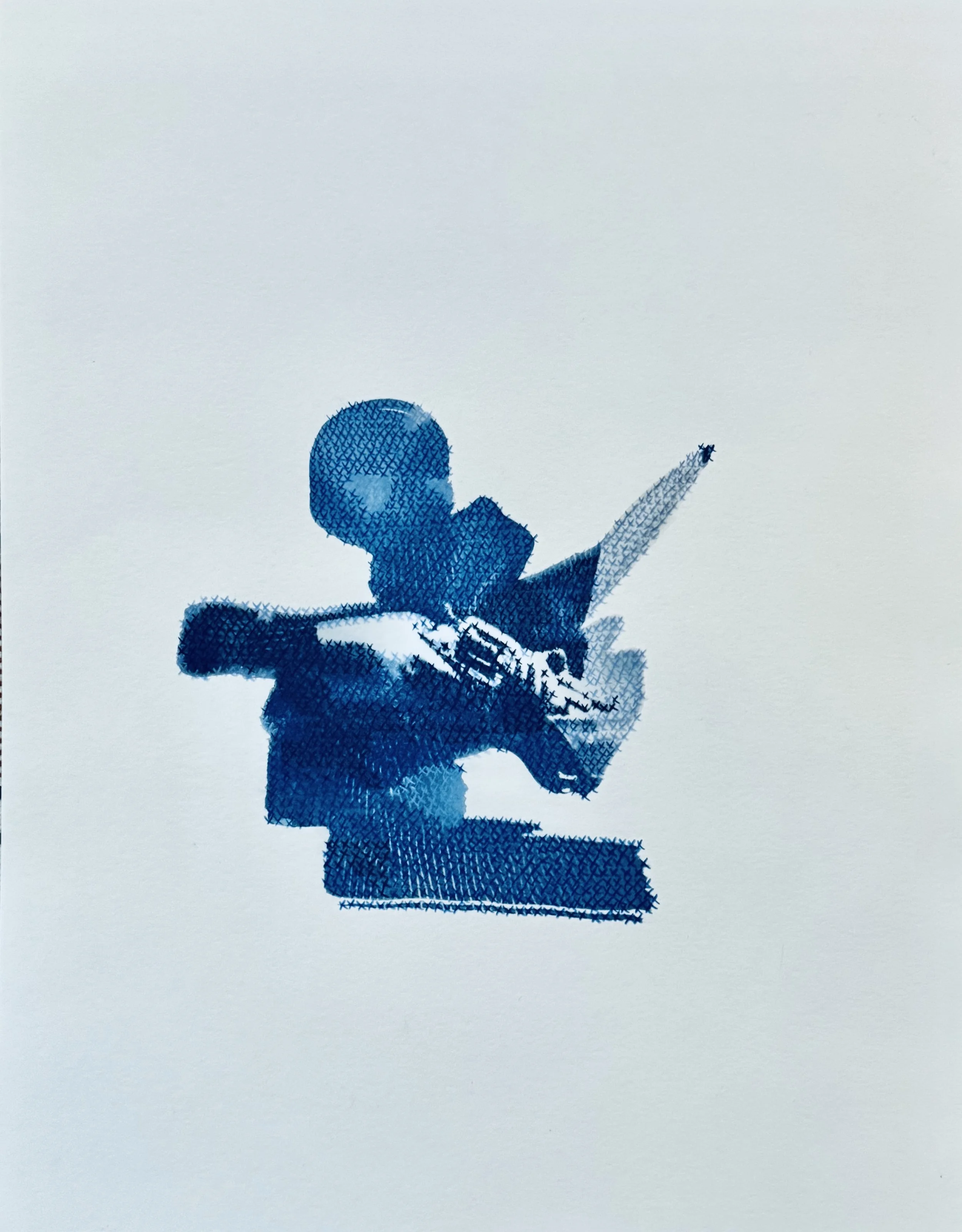
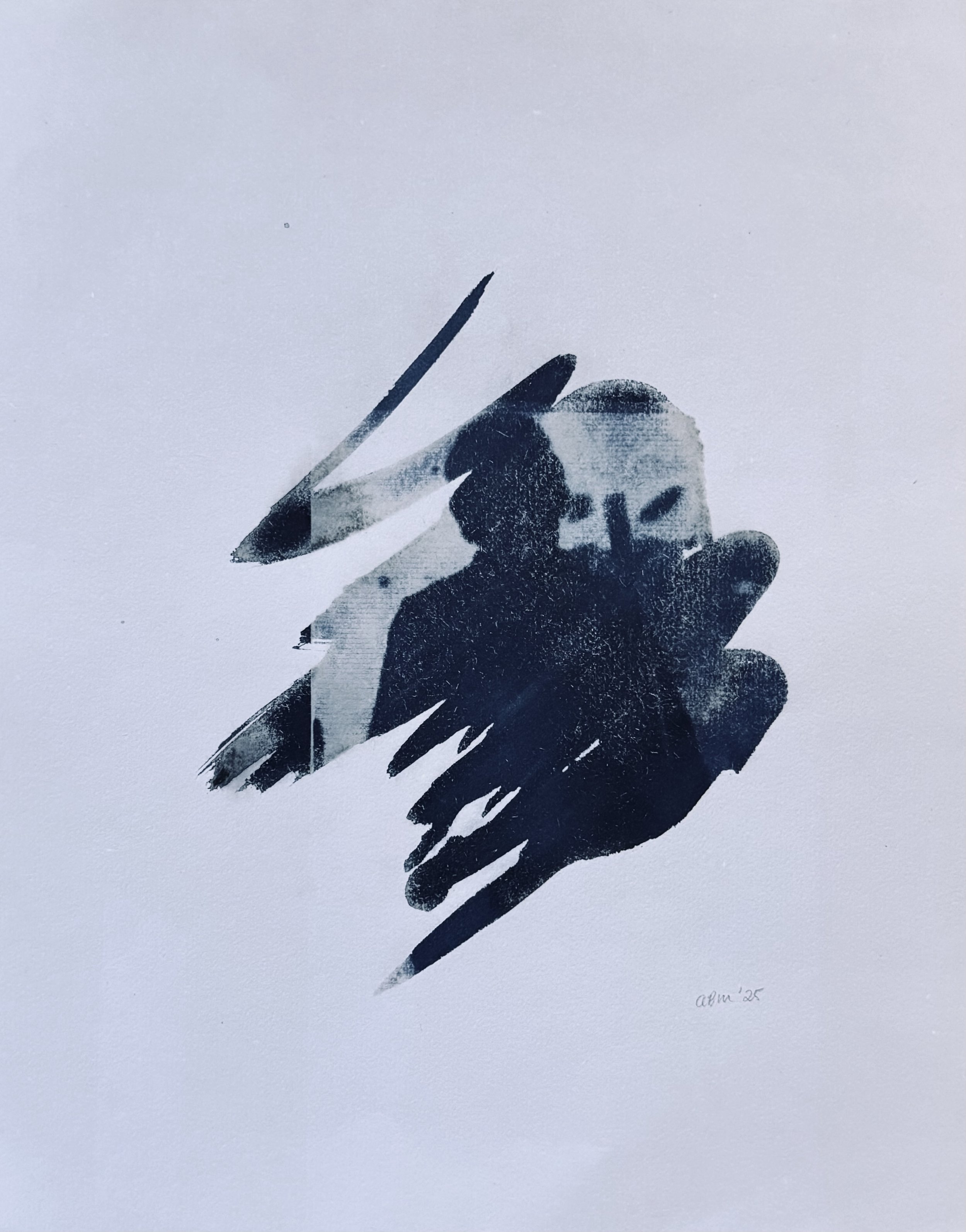
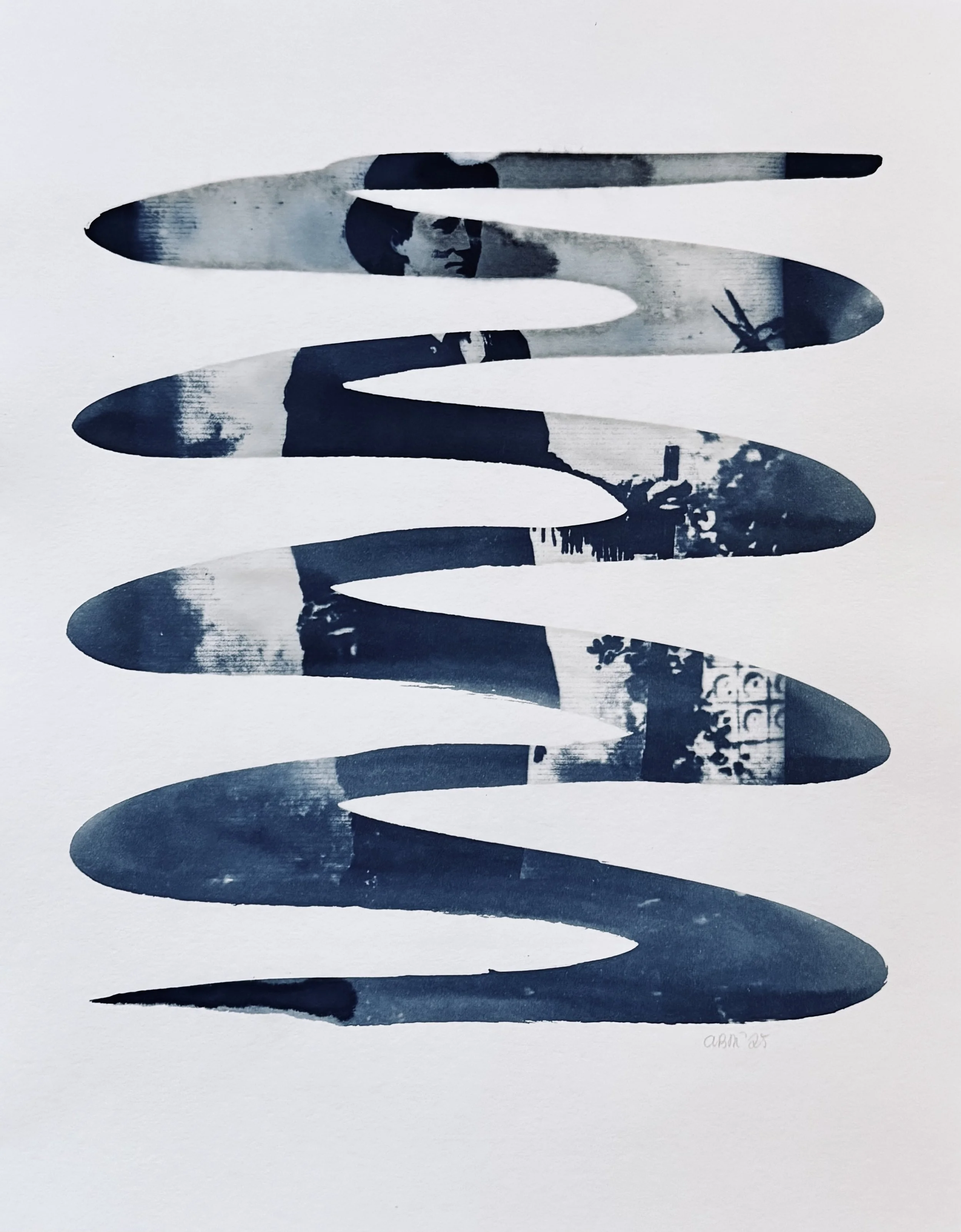
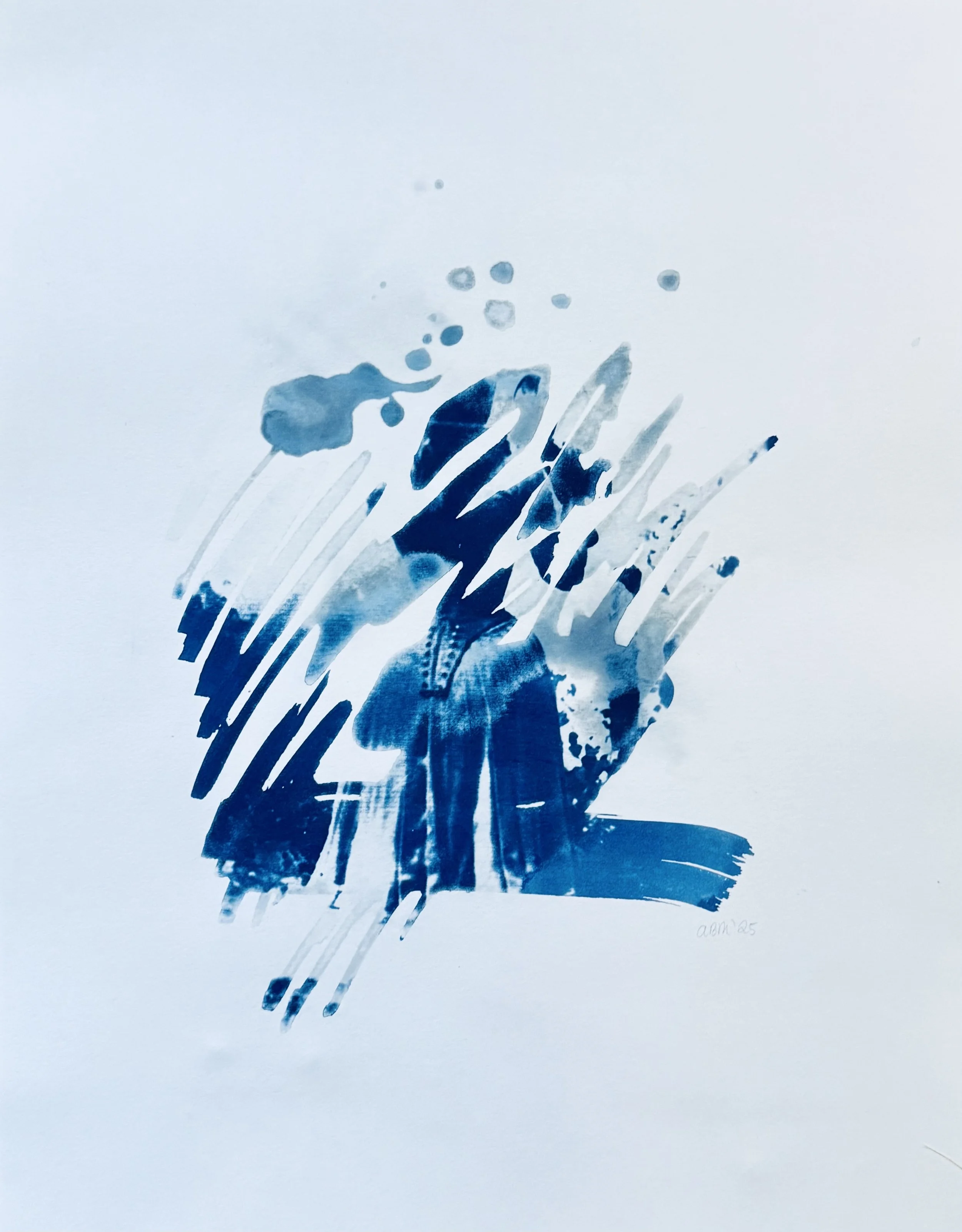
Give a girl a gun (2025)
I’ve come to hold a fascination for this period of American history, not because of the tired and outdated trope of “Cowboy vs Indian” or the problematic ideology of Manifest Destiny attached to this complicated and oh-so glamorized era, but because it was, in many ways, a unique period for women.
In most traditional tellings of the Wild West, men are the heroes, and women are painted either as prostitutes or hardworking farm girls at the center of homestead life. But in reality, women in the West held much more varied roles, finding ways to build power and carve out more space for themselves, as they always have.
The lawlessness and wildness of the West meant that, while women had less lawful protection, they were also in many cases not as tightly bound by the social restrictions as their Victorian counterparts. They shaped identities beyond traditional domestic duties and were gunslingers, bounty hunters, business owners, train robbers, and more, defying gender norms and helping define the wildness of this era. Many even lived their entire lives as men without anyone knowing, as in the case of Charlotte “Charley” Parkhurst.
This is not to deny or overlook the range of experiences that were very much rooted in class, race, and other social constructions designed to consolidate power and privilege, nor to ignore the violence and terror that guns themselves have played in shaping the West—a legacy that plagues our country even to this day. In my exploration of these images, I simply want to add nuance and richness to the stories we tell about this period in time. To uplift the tales of these few women and offer a different framework from which to consider the “Wild West.”